

Pakistan to Revise Petroleum Import Rules for First Bonded Oil Storage Facility

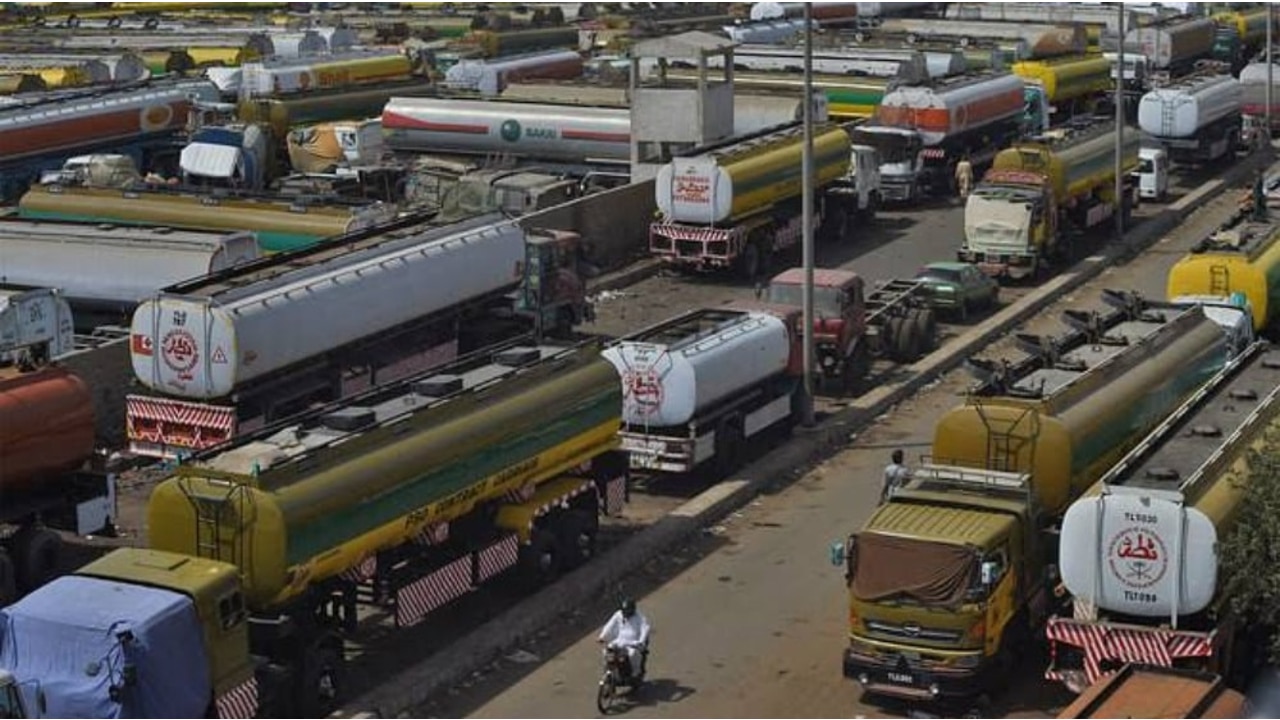
The government is set to revise its petroleum import policy as it moves to establish Pakistan’s first commercial customs-bonded oil storage system, aimed at facilitating Gulf producers and global commodity traders while strengthening the country’s fuel security.
The Economic Coordination Committee (ECC) of the Cabinet is scheduled to consider revised policy guidelines for imports through customs-bonded oil storage facilities on Monday, as the government seeks to operationalise a framework originally approved in June 2023 but under which no foreign supplier has so far established a bonded storage facility in Pakistan.
Federal Minister for Petroleum Ali Pervaiz Malik said the proposed system would allow Gulf producers and international commodity traders to store petroleum products in Pakistan for onward domestic sale or re-export, while giving the government access to part of the stocks during formally declared emergencies.
The move is being pursued against the backdrop of disruptions in the Strait of Hormuz, which the Petroleum Division has identified as highlighting vulnerabilities in Pakistan’s energy supply chain. The government is focusing on customs-bonded storage alongside indigenisation and the development of strategic petroleum reserves to strengthen energy security.
Under the proposed revised framework, foreign suppliers would be able to store crude oil, petrol, high-speed diesel, jet fuel, furnace oil, LPG and LNG at approved private and public storage terminals. Proposed locations include Port Qasim, KPT/Keamari, Hub, Gwadar, Mahmood Kot and Machike, Sheikhupura, while port-based facilities would also be allowed for products intended for re-export.
Foreign suppliers would be permitted to move bonded stocks from port facilities to approved inland locations through Pakistan’s petroleum pipeline network without triggering customs duties or taxes, provided the products remain within the bonded regime. The existing import regime for licensed oil marketing companies and refineries would continue alongside the proposed system.
Under the proposed arrangement, foreign suppliers could participate through a liaison office registered in Pakistan or through a designated consignee, including a locally established branch or incorporated company. Consignees could either develop dedicated storage infrastructure or use existing private or public bonded warehouses and storage terminals, subject to approvals from the Oil and Gas Regulatory Authority (Ogra), Customs and relevant port authorities.
The proposed framework would provide tax-neutral treatment to foreign suppliers and consignees while petroleum products remain within bonded storage. Duties, taxes and levies would become applicable when products are released for domestic consumption, with the local OMC or refinery acting as importer of record responsible for sales tax obligations at the ex-bonding stage.
Foreign suppliers would also be allowed to sell bonded petroleum products to local OMCs and refineries at commercially negotiated prices. These transactions would not be subject to Ogra’s price notifications, while regulated pricing would apply to onward domestic sales by local purchasers.
The government would retain the right to requisition bonded stocks in formally declared emergencies, including war, armed conflict, a major natural disaster or a complete and documented collapse of domestic supply. Such stocks would be compensated at the prevailing international market price based on the weekly average of the relevant Platts assessment.
The proposed rules would also facilitate re-export of bonded petroleum products by removing several existing procedural requirements, including the need for a Letter of Credit, advance payment, open contract or Electronic Export Form, subject to specified conditions.
OGRA would have the first right of refusal over the final 10 percent of products stored under the scheme, with a decision required within two days. Failure to respond within the stipulated period would constitute deemed approval. Re-export declarations would be processed within 24 hours, with no prior regulatory approval required under the proposed framework.
The Petroleum Division had constituted a committee on May 7, 2026 to review the existing policy and recommend changes to make the bonded-storage regime operational. Following consultations with petroleum traders, suppliers and government departments, a revised draft was circulated in June and subsequently amended after feedback from the Federal Board of Revenue (FBR), State Bank of Pakistan, Ministry of Commerce, Maritime Affairs, SIFC, Board of Investment and Ogra.
FBR, however, has maintained reservations over several provisions, particularly those relating to the Customs Act, 1969 and Sales Tax Act, 1990. The policy was further revised following a meeting chaired by the Petroleum Division on August 5.
Petroleum Minister Malik said refineries are currently required to maintain crude stocks equivalent to five to seven days of supply, while OMCs are required to maintain refined-product stocks for 20 to 25 days.
The minister also said the government is pursuing broader reforms in the petroleum and gas sectors, including phased deregulation of oil marketing, greater private-sector participation in LNG imports and restructuring of the gas transmission and distribution system.
The post Pakistan to Revise Petroleum Import Rules for First Bonded Oil Storage Facility appeared first on ProPakistani.


