
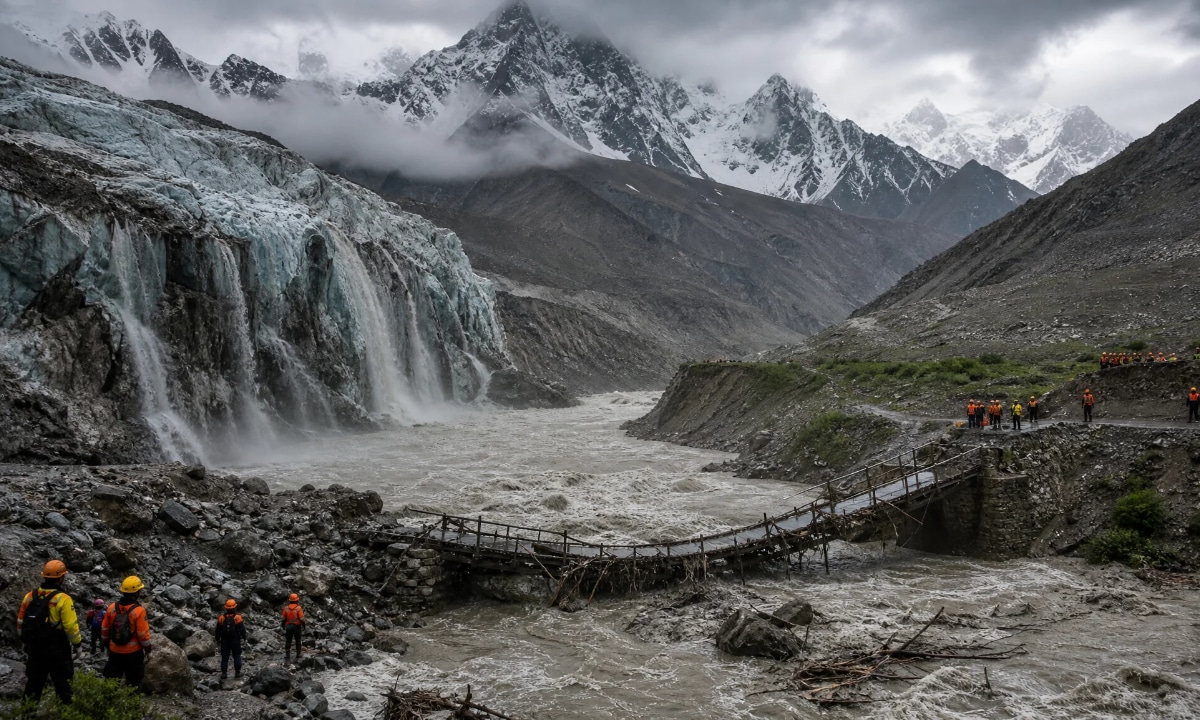
The World Bank has warned that diverting funds from a multibillion rupee housing program for flood affected families in Balochistan to infrastructure projects could deepen poverty, increase disaster risks and undermine the province’s long term recovery.
In a detailed communication to the federal and Balochistan governments, the World Bank said redirecting housing support could leave already vulnerable households without the assistance needed to rebuild resilient homes.
The bank said 119,049 verified and eligible households were left without identified financing support after the government capped housing assistance at 62,966 first tranche beneficiaries as of June 22, 2026. Subsidy support was also capped at 97,000 beneficiaries.
The World Bank said the affected households are among the province’s most vulnerable. About 84 percent of eligible beneficiaries are classified as ultra poor, while 28 percent earn less than $30 a month and another 26 percent earn between $31 and $70. The bank said 39 percent are tenants, 37 percent are daily wage workers and 8 percent are small farmers.
The bank also raised concerns over the handling of the funding changes and related fraud and corruption issues. World Bank Country Director Boloromaa Amgaabazar said the decision to cap and redirect housing support had been discussed with federal and provincial officials.
The bank said the government’s public disclosure of the changes before a jointly agreed communication strategy was finalized had created additional risks, particularly because many verified households had already completed the required process and signed project undertakings.
The World Bank said 66,120 grievances related to the exclusions had been registered in the project’s grievance management system by the agreed cutoff date. It called for every complainant to be contacted individually and formally informed of the decision, with proof of communication shared with the bank.
The bank warned that families excluded from the program could be forced to divert money from food, healthcare and education toward temporary shelter repairs, take on debt or sell productive assets. Those unable to rebuild could also remain in damaged or unsafe homes, leaving them exposed to future floods, storms, earthquakes and heatwaves.
The World Bank further warned that excluding verified beneficiaries could fuel perceptions of unfairness, increase social tensions and weaken trust in government institutions and development programs, potentially undermining the broader objectives of the housing reconstruction project.
The post World Bank Cautions Pakistan Against Redirecting Flood Recovery Money to Roads and Irrigation appeared first on ProPakistani.