
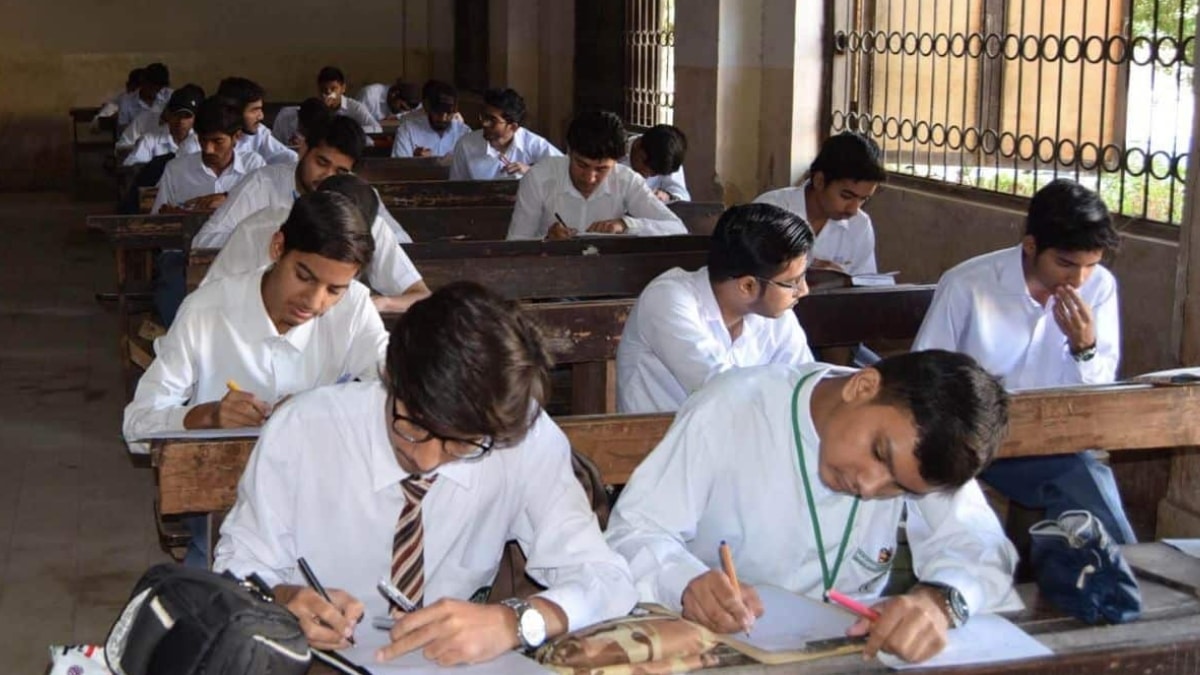
Education boards across Punjab have started introducing the eSheet system for selected Intermediate examination papers, allowing examiners to assess scanned answer sheets through an on-screen marking system.
Boards including Lahore, Gujranwala, Multan, and Sargodha have published information or instructions concerning the new marking system for the Intermediate Second Annual Examinations 2026.
The move aims to modernize the examination assessment process while requiring students to follow specific instructions when completing their answer sheets.
Under the system, students will continue to write their answers on paper. Examination authorities will scan the completed sheets so examiners can assess them digitally.
Students must carefully complete their roll numbers, fill MCQ bubbles correctly, write answers in the designated spaces, and avoid unnecessary markings that could interfere with scanning.
How to Fill Punjab Board eSheets Correctly
BISE Gujranwala has shared an illustrated guide explaining the process for students taking Computer Science and Statistics examinations.
The instructions provide useful guidance for students using similar eSheet formats at other Punjab boards. However, candidates must follow the specific answer sheet format and instructions issued by their own examination board.
Step 1: Use the Correct Pen
Students must use the writing instrument permitted by their examination board.
According to BISE Gujranwala’s illustrated guide, candidates should use a blue ballpoint or fountain pen.
The guide prohibits gel pens, markers, and highlighters.
Students should check their board’s instructions before the examination and avoid using unauthorized writing materials.
Step 2: Enter Your Roll Number Correctly
Students must write their examination roll number in the designated boxes on the eSheet.
They must then fill the corresponding bubbles for each digit carefully.
Candidates should compare the entered number with their official roll number slip to avoid mistakes.
Filling an incorrect bubble may create problems when the board identifies and processes the answer sheet.
Step 3: Complete the Required Information
Candidates must enter their personal and examination details in the appropriate sections.
These may include their name, father’s name, examination date, roll number, subject information, and other required particulars.
Students should write clearly and ensure that all information matches their official examination records.
They must also complete any paper code section according to the printed instructions.
Step 4: Fill MCQ Bubbles Completely
Students must carefully fill the correct bubble when answering multiple-choice questions.
They should fully darken the selected bubble instead of placing a tick, cross, or partial mark.
Candidates should also check the question number before marking their answers.
BISE Gujranwala’s guide specifically illustrates the correct and incorrect methods of filling MCQ bubbles.
Students must avoid unnecessary marks on the response sheet.
Step 5: Write Short Answers in the Designated Spaces
The eSheet format provides specific areas for answering short questions.
Students must write their responses in the relevant sections and follow the question numbers printed on the answer sheet.
They should avoid writing answers in the wrong section or outside the available space.
According to BISE Gujranwala’s illustrated format, students begin their short-question answers on page 5, with separate spaces for Questions 2, 3, and 4.
However, page numbers may differ in answer sheets issued by other Punjab boards.
Step 6: Complete Long Questions Within the Allocated Pages
Students must also follow the instructions for answering long questions.
They should write each answer within the designated area and avoid extending their responses into unrelated sections.
BISE Gujranwala’s guide allocates separate answer spaces for Questions 5 to 9, beginning on page 19.
Candidates must follow the page allocation printed on their actual examination answer sheets.
Step 7: Avoid Writing on Barcodes and Margins
Students should not write over barcodes, QR codes, or other printed identification marks.
These areas help identify and process answer sheets through the scanning system.
Candidates must also keep their answers within the designated margins.
Unnecessary markings, overwriting, and writing outside the permitted spaces should be avoided.
Step 8: Use the Designated Rough Work Page
Students must use the space allocated for rough work instead of writing calculations or notes in unrelated areas of the answer sheet.
According to BISE Gujranwala’s guide, page 34 is reserved for rough work.
The same guide states that additional answer sheets will not be provided.
Students should therefore use the available writing space carefully and follow their board’s prescribed answer sheet format.
Step 9: Check Your eSheet Before Submission
Before submitting their examination papers, students should review their answer sheets.
They should check their roll numbers, personal information, MCQ responses, and written answers.
Candidates must ensure that they have completed the required sections and have not made unnecessary markings.
A final review can help students identify errors before handing their answer sheets to the examination staff.
Visit EduNation to find scholarships from around the world.
The post How to Fill Punjab Board eSheet Correctly appeared first on ProPakistani.